
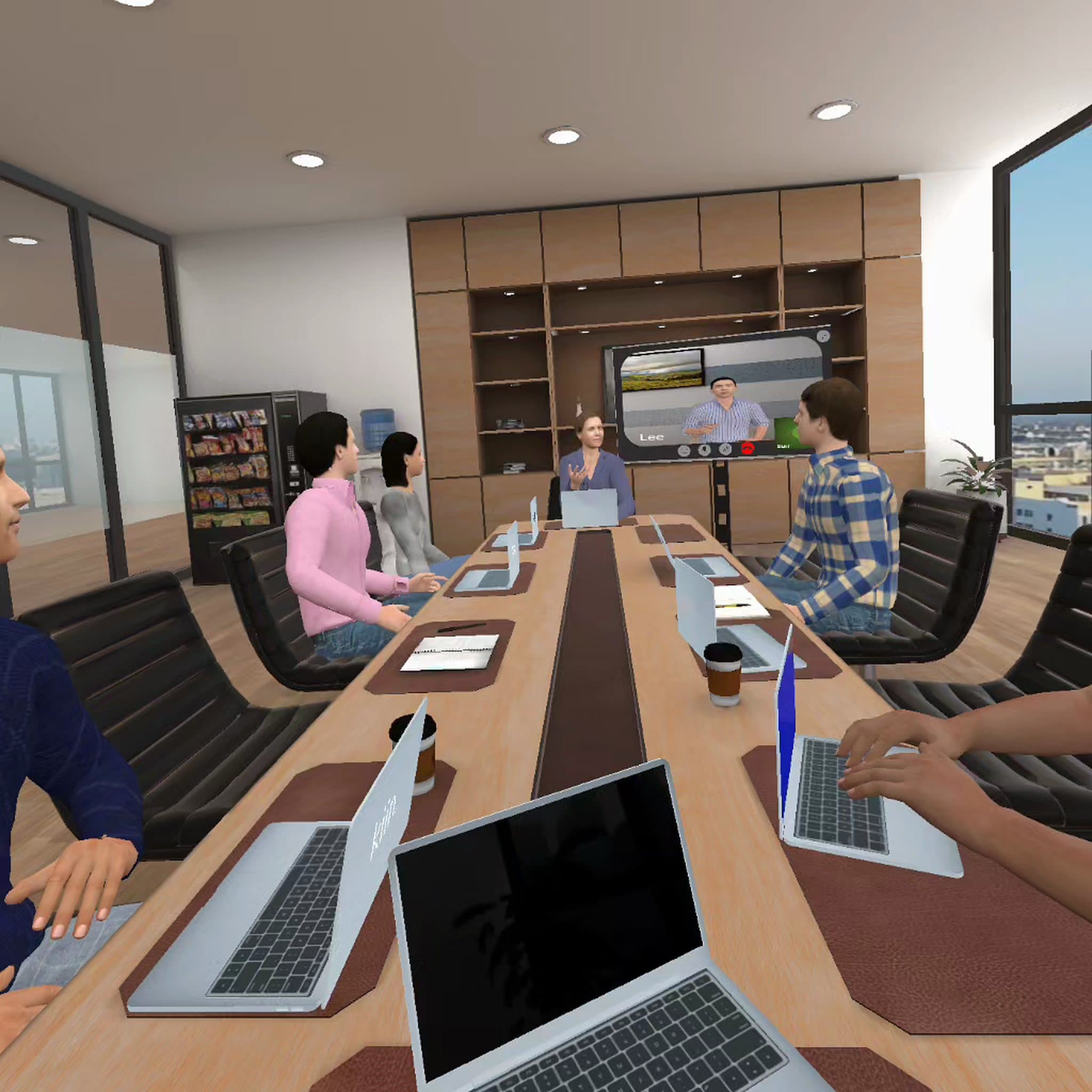
This looks like a normal meeting.
Culture is what people do in everyday moments. In Kiin people practise those moments and live them from the other person’s side, which changes how they see their colleagues.
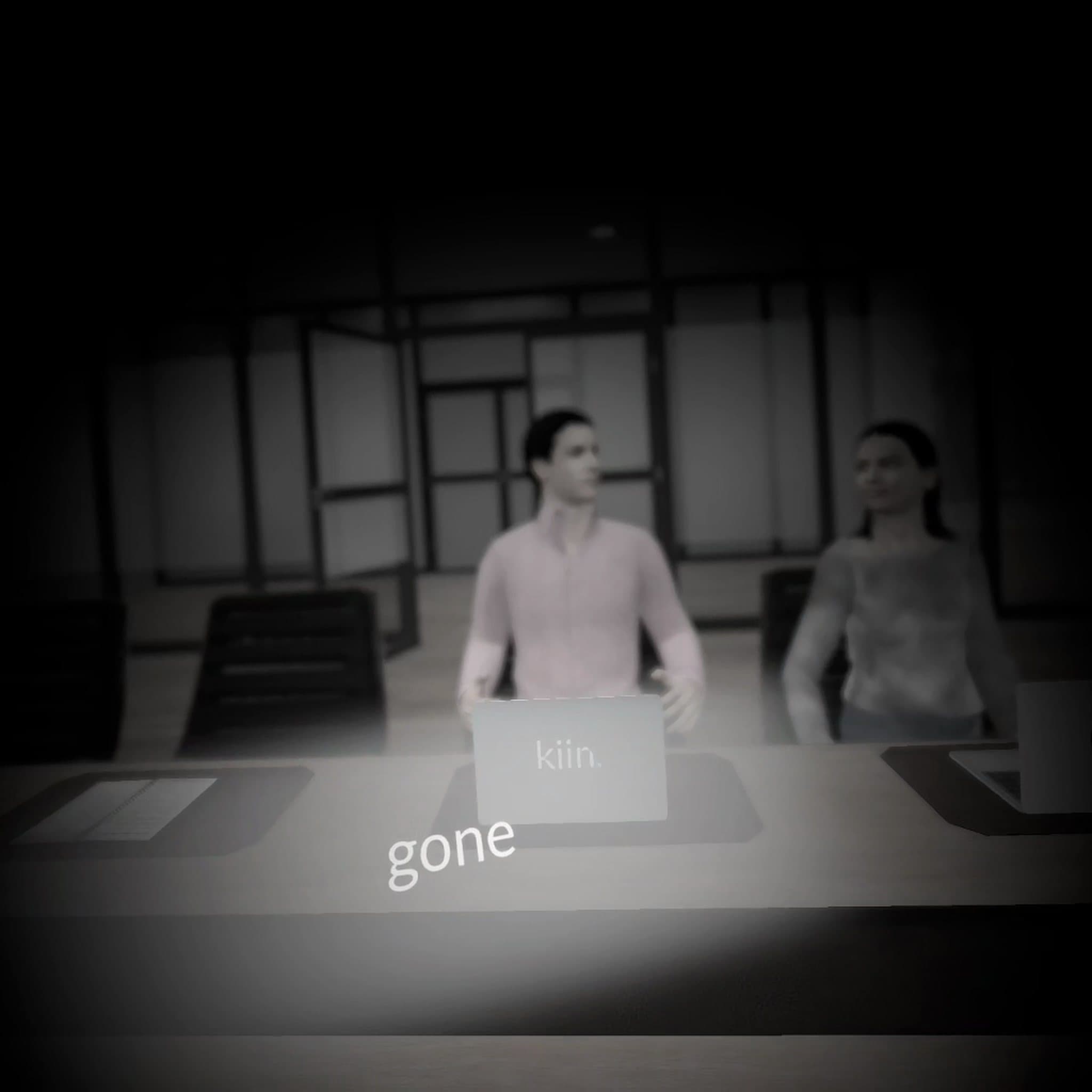
Morgan started to say something, and stopped.
Now sit through the same meeting as Morgan.
Your values are tested in everyday moments.
- 01
Someone is talked over
The meeting moves on and the point is lost.
- 02
A joke at someone’s expense
Others laugh or say nothing.
- 03
A concern nobody raises
Someone decides it is not their place.
- 04
Someone left out
It happens quietly, so nobody deals with it.
Phone for everyone. VR for the few.
Everyone plays short cases on their phone. About one person in ten also goes into VR, inside the other person’s body. You choose who.
Both are measured, and the results come to you as one report by team.
After one session as Morgan, leaders were far better at spotting what shuts a colleague out of a meeting.
24 leaders at a UK financial regulator watched a team meeting, then sat through the same meeting as Morgan, a neurodivergent colleague, and then through a version of it run well. A 45-minute facilitated discussion followed. They filled in the same feedback form before and after.
Three levels of measurement
- Self-reportedWhat people say afterwards.
- Observed in VRWhat they do in the scenario, such as where they look.
- Observed at workChange in your own HR data, usually from six months.
The figures above are all self-reported.
How the study worked
- 01
Watch the meeting
Each leader first sat in on a team meeting as a new joiner. It looked normal.
- 02
Then Morgan’s seat
They went through the same meeting as Morgan, with the noise, the interruptions and Morgan’s own thoughts.
- 03
The same meeting, run well
Still as Morgan, they raised a hand each time they spotted a change that helped. A facilitated discussion turned that into actions.
Client pilot · a UK financial regulator · June 202624 leaders · one session · measured before and after
See how your culture changes
A report by team shows who notices a colleague being shut out, who makes room for them and how that changes over time. Nobody is scored or ranked, so people take part honestly.
Shown by team and by situation. No individual is identified.










Kiin was founded by Mel Slater, Mavi Sanchez-Vives and Bernhard Spanlang. Their peer-reviewed research showed that being in a virtual body changes how people behave afterwards.
“I didn’t just learn about bias. I felt it. That single experience has changed how I show up for my colleagues every day.”
See what your people would do.
Thirty minutes with us to try a scenario. Bring your values and your engagement results.